The New Year Honours list often shines a spotlight on individuals whose contributions have made a meaningful difference across various fields. But here's where it gets interesting — this year's list not only recognizes political figures and athletes but also includes inspiring campaigners and pioneers in education, community service, and sports for people with disabilities. It’s a compelling reminder that recognition can come from many corners, highlighting stories of dedication and impact that often go unnoticed.
Among those honoured from the south of England, Annaliese Dodds, a prominent Member of Parliament representing Oxford East since 2017, has been elevated to the rank of Dame. Her political journey includes serving as Sir Keir Starmer’s former development minister before she stepped down in February. At 47, Dodds expressed her gratitude, emphasizing that her achievements are rooted in teamwork: "It's always about the team." Her recognition underscores her influence in politics and her commitment to public service.
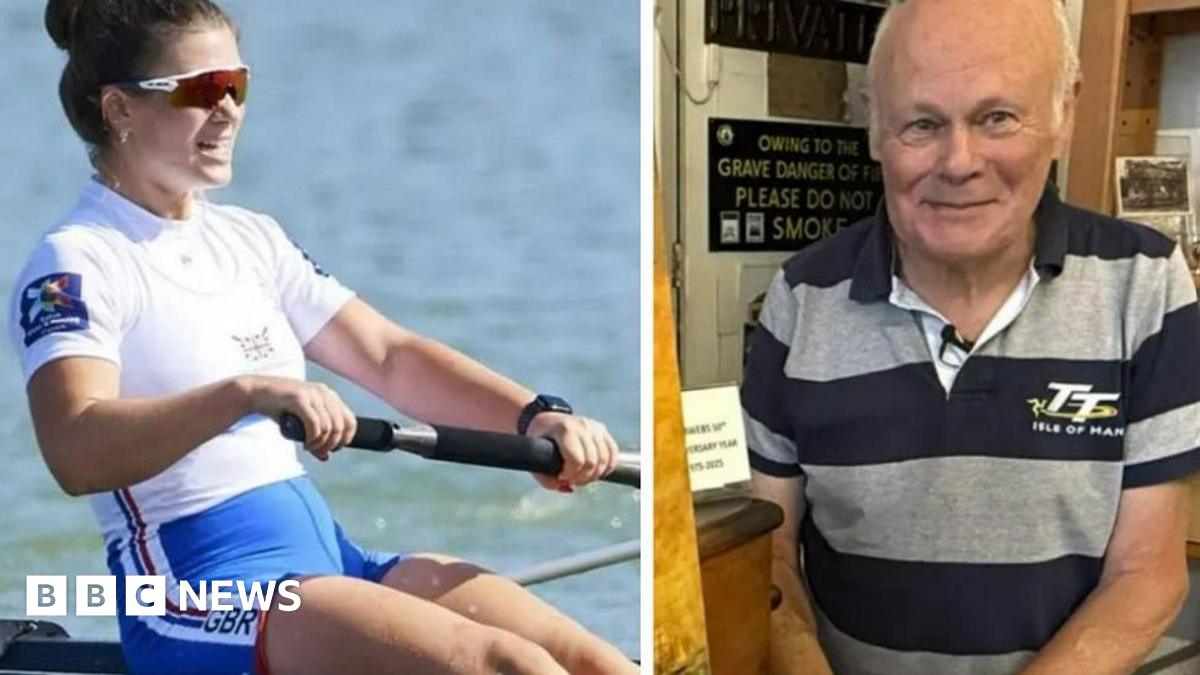
Paralympian Frankie Allen from Wallingford, Oxfordshire, also features on the list. At just 23, she contributed to Great Britain’s gold medal victory in the 2024 Paralympics through adaptive rowing. Her dedication to advancing accessibility in sports and her advocacy for young disabled athletes earned her an MBE — a testament to her efforts to make sports more inclusive. She previously described the pressure of competing in disability sport as "a privilege and a good thing," revealing her positive outlook and resilience.
Another notable awardee is Colin and Marie Wright from Aldershot, Hampshire, both recognised with MBEs for their exceptional services to women’s gymnastics. They co-founded the Rushmoor Gymnastics Academy, inspiring countless young athletes. Marie Wright shared their feelings of being overwhelmed but also proud to be honoured together, emphasizing their passion for gymnastics rather than the recognition itself.
In the realm of community and history, Carl Portman from Banbury has been awarded an MBE. At 61, he has notably contributed to prison education through chess. As the manager of Chess in Prison for the English Chess Federation, he pioneered the distribution of chess to every prison in England, aiming to foster communication and life lessons among inmates. Although he initially hesitated to accept the award, viewing it as a collective achievement for chess in prisons, he expressed genuine enthusiasm for his work.
Penguin historian Peter Boyd-Smith, aged 78, was recognised for his contributions to maritime history and his local community in Southampton. He founded Cobwebs in 1975, a shop specializing in ocean liner memorabilia, Titanic relics, and maritime collectibles, even though the shop closed recently. His lifelong passion for maritime history exemplifies how dedication to historical preservation enriches community culture.
Helen Cooke, founder and CEO of MyPlus, is set to receive a CBE for her ongoing efforts over two decades to support disabled individuals in finding employment. Her organization helps people navigate the workforce, and she views this recognition as a celebration of her milestone — 20 years dedicated to making a difference.
Regional contributions also shine through in Dorset, where Simon Boyd, managing director of Christchurch-based REIDsteel, will be honoured with an OBE for his work advancing the British steel industry. Summing it up, he highlighted his ongoing effort to support this sector and address the challenges facing UK manufacturing.
Similarly, Louise Fetigan from Wareham received an MBE for her compassionate work with young people. She founded Little Troopers in 2011, a charity dedicated to supporting children with parents in the armed forces by providing resources that ease the psychological and emotional strain of military family life. Her sentiment was clear: "This award is bigger than me; it signifies the importance of the work we do."
In mental health advocacy, Stuart Skinner from Weymouth was recognised for his commitment to raising awareness. Through challenging activities, such as attempting to summit all 15 national parks, he strives to combat loneliness and stigma around mental health, emphasizing the collective effort behind his achievements.
And in Dorset, Samantha Everard, at 49, was honoured for her work supporting disabled individuals through her charity, Support and Mentoring Enabling Entrepreneurship (SAMEE). Her organization assists disabled people in developing employability skills and exploring self-employment, making her view the award as a token of how impactful their collective work has become.
As these stories reveal, the Honours list serves as both acknowledgment and inspiration — celebrating both widely recognized achievements and quiet community-driven efforts. But it also raises thought-provoking questions: Are such recognitions enough to inspire broader societal change? Do they truly reflect the diverse tapestry of contributions that make our communities thrive? We invite you to share your thoughts and debates in the comments — because recognizing achievement should spark a conversation about how we can all contribute to a better society.