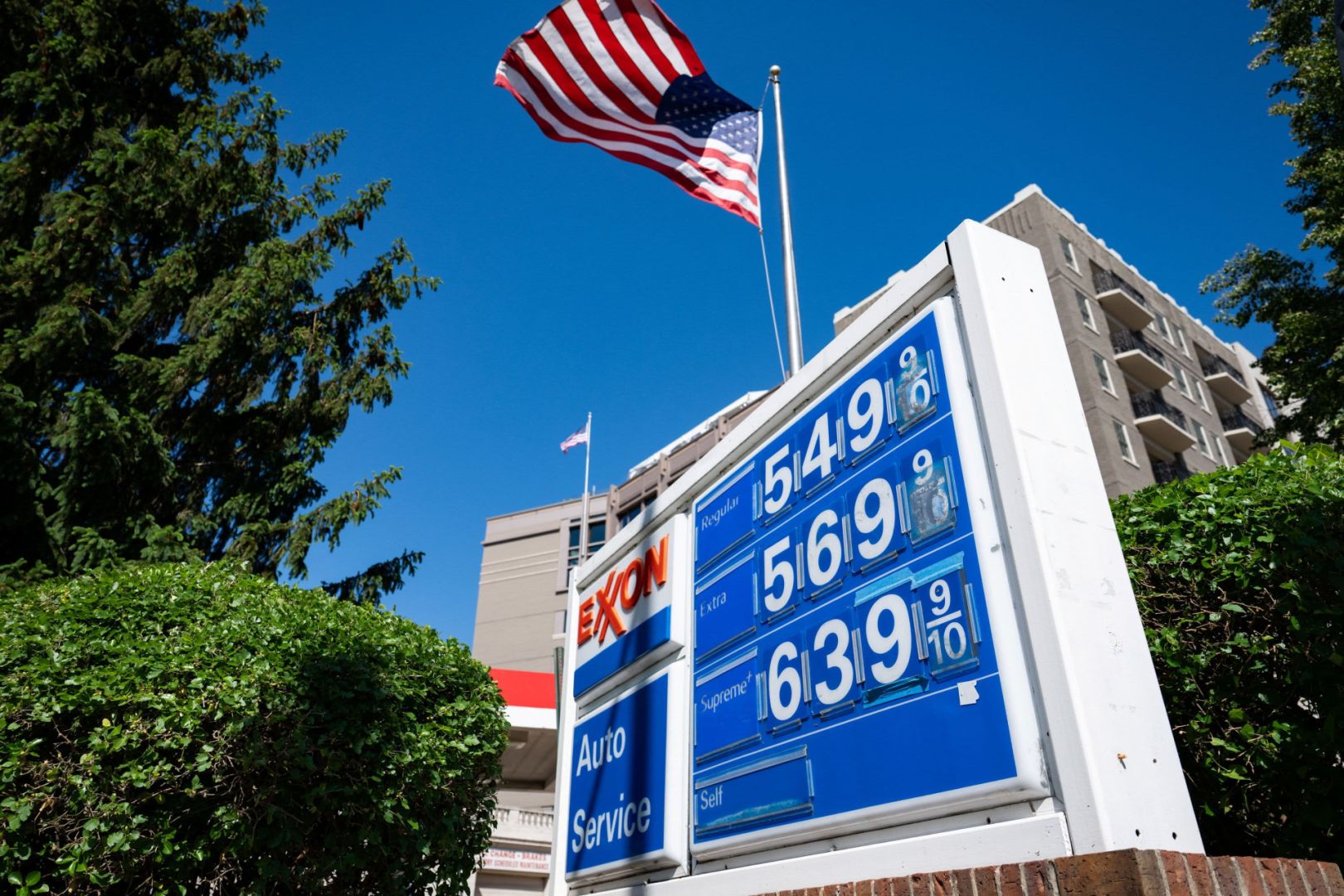
The rising cost of gas is a pressing issue that disproportionately affects lower-income households, as revealed by a recent study from the New York Fed. This phenomenon, often referred to as the 'K-shaped economy,' has been a concern since the post-Covid era, highlighting the widening gap between the haves and have-nots.
In my opinion, what makes this particularly intriguing is the stark contrast in consumer behavior across income brackets. Despite soaring gas prices, high-income households have barely adjusted their spending habits, increasing their gasoline outlays by a substantial 19%. On the other hand, lower-income earners, those making less than $40,000 annually, have had to make tough choices, cutting back on gas consumption by a significant 7% and only increasing their spending by a modest 12%.
This disparity is a direct result of the uneven growth experienced by different income groups post-pandemic. While the wealthy have benefited from surging asset values, lower-income individuals have seen little to no growth in their earnings, with average hourly wages essentially remaining stagnant. This has left them more vulnerable to the impacts of inflation, which has been running well above the Fed's target for the past five years.
The current energy price shock, exacerbated by the Iran war, has further widened this gap. Gas prices have skyrocketed by 56% since the pandemic, with a nearly $1 increase per gallon in March alone. This has forced lower-income households to make difficult choices, potentially carpooling or turning to public transit, while their wealthier counterparts have been able to absorb the increased costs without significant lifestyle changes.
The study's findings are a stark reminder of the uneven nature of economic recovery and the challenges faced by those already struggling financially. It raises important questions about the effectiveness of current economic policies and the need for targeted interventions to support those most affected by rising costs.
In conclusion, the K-shaped economy is a stark reality that requires urgent attention. As we navigate these challenging economic times, it's crucial to consider the implications of our actions and policies on those who are most vulnerable. The study's insights provide a timely reminder of the importance of equitable economic growth and the need for a more inclusive approach to ensure a fair and sustainable recovery for all.